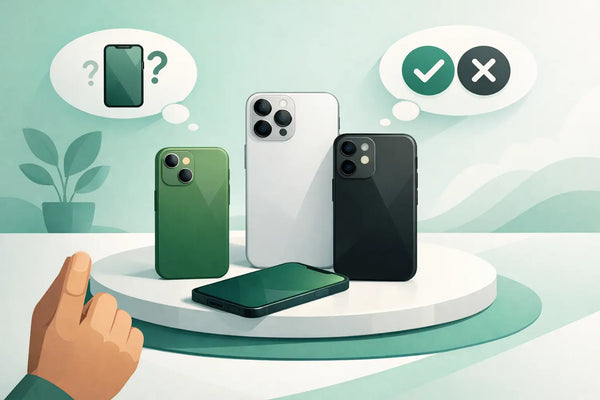
A broken screen, a battery that doesn't last through the day, or simply a device that is becoming too slow: there is often one clear reason to replace it. But then comes the trickier question: which iPhone is right for me? The newest model is not automatically the best choice. For many people, a refurbished iPhone from an earlier generation is actually smarter: you get the features you really use, for a lower price, and with the security of a 2-year warranty.
Making the right choice starts not with the model number, but with your daily usage. Do you primarily make calls and use apps, take lots of photos, watch series on the go, or does your phone mainly need to be affordable and reliable? With those answers, choosing becomes a lot easier.
Which iPhone is right for my daily use?
Anyone who mainly makes calls, sends messages, navigates, uses mobile banking, and social media does not need a top-of-the-line model. A compact model or an iPhone from a slightly earlier generation is often more than enough. You save money without compromising on the basics that make a phone pleasant: a clear screen, good performance for daily apps, and a camera for spontaneous photos.
Do you use your iPhone more intensively, for example for work, video conferencing, photos, games, or a lot of streaming? Then look at a newer model with a larger battery and a more powerful chip. That provides more room for heavier apps and can help if you want to keep using your device for several years.
It is wise not to look only at what you need today. Do you expect to take more photos soon, work on the go more often, or want to charge less frequently? Then one model up might be a better investment. Just don't pay for features you will never use. An advanced camera is nice, but less relevant if you mostly take pictures of documents, children, and vacations.
Choose the screen size first
The screen largely determines how pleasant an iPhone feels to use. A smaller iPhone is easy to hold, fits comfortably in a pocket, and is often lighter. This is nice if you are on the go a lot or are looking for a phone you can easily operate with one hand.
A larger screen is nicer for videos, news, email, navigation, and photo editing. For those who have difficulty reading small print, a larger screen can also make a big difference. On the downside, a larger device takes up more space and is generally heavier.
Therefore, think practically. If you often hold your phone with one hand, do not take a large model just because the screen looks impressive. If you watch series on the train daily or use your phone a lot for work, then a larger screen is not a luxury, but a convenience.
Compact, standard, or large?
A compact size suits those who value lightness and manageability. A standard size is the safe middle ground for most people: large enough for daily comfort without becoming cumbersome. A large size suits intensive viewers, mobile workers, and people who especially value a long battery life.
Camera: don't pay for more than you need
Almost every recent iPhone takes good photos in normal daylight. For photos of family, pets, trips, and documents, you don't necessarily have to choose the most expensive model. The difference mainly lies in extra capabilities, such as an extra lens, better performance in low light, and more options for video.
Are you someone who travels a lot, enjoys taking portraits, or regularly edits photos and videos? Then a more comprehensive camera system is worth considering. You will benefit from more creative space and generally better results in tricky lighting situations.
If you mainly take quick photos to share via WhatsApp or social media, a standard model is usually the wisest choice. You are better off spending that money on more storage space or a model with a battery that better suits your usage.
Battery and condition deserve extra attention
With a refurbished iPhone, it is not just the model that is important. The condition of the device also plays a part. Condition usually refers to the exterior, such as light signs of use on the housing or the screen. These signs do not automatically say anything about how the device works. Anyone who finds a sharp price more important than a completely flawless exterior can gain an advantage here.
The battery is a separate point of attention. How long a battery lasts on a single charge depends on the model, the battery health, and your usage. Lots of video calling, navigating, gaming, and mobile internet simply demand more from the battery than sending messages or occasionally checking email.
Choose a larger model if battery life weighs heavily for you, but also look closely at the product information regarding the battery. Transparency about this prevents surprises. If you buy from Refurbished.nu, you are choosing a professionally checked iPhone, 2 years warranty, and 30 days returns. That is a significant difference compared to a private second-hand purchase, where you usually have to figure out for yourself what is wrong with the device.
How much storage space do you need?
Storage space is often underestimated. Apps, photos, videos, offline music, and conversations take up space faster than you think. A device with too little storage can become irritating over time, especially if you have to keep deleting photos to install an update.
For light use, a smaller storage capacity is often enough. This applies when you mainly send messages, use the internet, and regularly save photos in a cloud environment. Do you take many photos and videos, save files locally, or use your iPhone for work? Then choose more storage space. High-quality videos in particular fill up memory quickly.
More storage does not make an iPhone faster, but it does provide peace of mind. You have to clean up less often and can keep using it for longer. If you are doubting between two models, a slightly older device with sufficient storage is sometimes a better choice than a newer model with cramped memory.
When does a Pro model make sense?
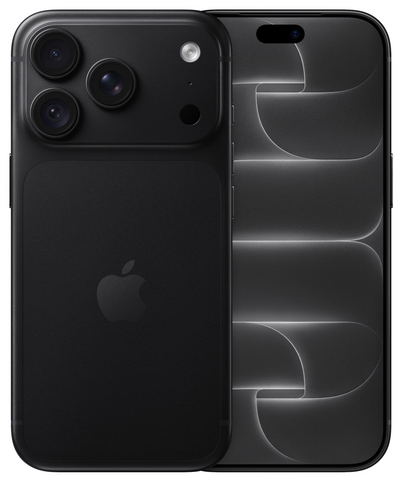
A Pro model is interesting if you actually use the extras. Think of a more extensive camera system, a larger or smoother screen on certain generations, and more options for photo and video. For creative users and people who use their phone intensively, that difference can be noticeable.
However, for most daily tasks, a standard iPhone is soon enough. WhatsApp, email, banking, browsing, watching video, and navigating do not suddenly work better because "Pro" is on the back. A standard model often offers the best balance between price, performance, and ease of use.
So, do not be led by the name alone. Ask yourself the simple question: am I going to use these extra features every week? If the answer is no, then you keep budget left over for storage space, a larger screen, or simply a more favorable price.
Three choices that make it easier
First, choose your budget. Then determine whether screen size or camera is most important to you. Only then look at the exact models and storage capacities. This way you avoid getting lost in technical differences that are barely noticeable in your daily use.
The expected duration of use also helps. If you are looking for a replacement for a year or two, a more affordable older model can fit perfectly. If you want to get a lot of use out of your next phone, it is better to choose a generation newer and take sufficient storage. That doesn't have to be the most expensive device, but it should be a model that offers room for your plans.
Ultimately, choosing a refurbished iPhone is not about the highest number, but about a device that works well on your busiest day. Choose the size you like to hold, the storage that doesn't have you constantly cleaning up, and the features you actually use. Then your next iPhone will not feel like a compromise, but like a logical choice.