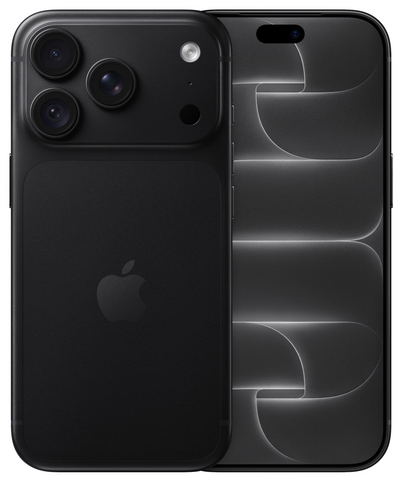
An iPhone that costs hundreds of euros less when new quite rightly raises questions. How exactly does buying a refurbished iPhone work, and how does it differ from just any used device from a private individual? The short answer: a refurbished iPhone has been used before, then professionally checked and, where necessary, repaired. This way, you buy a device with clarity regarding its condition, warranty, and return options.
That makes refurbished an interesting option if you are looking for a reliable iPhone without paying the new price. But not every refurbished iPhone is the same. The condition, battery, and inspection procedure together determine what you can expect.
How does a refurbished iPhone work?
A refurbished iPhone starts off as a used iPhone. This could be a device that was traded in, returned, or sourced from corporate upgrades. Before it is offered again, it does not go directly to the next owner. The device is technically inspected and assessed for functionality and appearance.
During this inspection, checks are performed to see if the screen responds well, the cameras work, the sound is clear, and charging proceeds normally. Buttons, microphone, speakers, Wi-Fi, mobile reception, and connections are also tested. If a component does not function as it should, it is repaired or replaced before the device is sold.
Afterward, the iPhone is wiped and prepared for a new user. You therefore start with a clean device, without photos, accounts, or settings from the previous owner. The iPhone is then assigned a condition grade. This primarily tells you something about the appearance, not the technical functionality.
At Refurbished.nu, iPhones are offered professionally checked, with a 24-month warranty and a 30-day return policy. This provides more certainty than a private second-hand purchase, where you often do not know how carefully a device has been used or what you can do if something goes wrong after a few days.
Refurbished, second-hand, or new: what is the difference?
A second-hand iPhone is simply an iPhone that has already had an owner. If you buy one from a private individual, the device may be fine, but the inspection is usually limited to what the seller claims themselves. You often have no standard warranty, no clear condition description, and no simple return option.
A refurbished iPhone has also been used, but it has been inspected before being sold again. The goal is for you to know what to expect: technically checked, a described cosmetic condition, and agreements regarding warranty. That makes refurbished particularly attractive for people who want to save money without taking a gamble.
A new iPhone is unused and comes in its original new condition. This usually comes with a higher price tag. Which choice is best depends on your budget, your wishes, and how much value you place on a completely new device. Anyone looking primarily for a good camera, fast apps, and reliable daily operation does not always have to choose new.
What does the condition of a refurbished iPhone mean?
The condition says something about visible signs of wear. Think of minor scratches on the housing or light marks on the screen. A device with a lower cosmetic grade may therefore look a bit more used, while it still functions perfectly well technically.
That distinction is important. An iPhone in "neat" condition is not automatically technically better than one with visible signs of wear. The price is often lower as the cosmetic marks become more apparent. If you use a protective case and are primarily focused on price, you can often get an extra good deal.
Always read the condition description carefully before you choose. This prevents you from expecting an almost invisible scratch while the device has been categorized as visibly used. Transparency about this helps you to fairly weigh price against appearance.
Is the screen always replaced?
No. A screen is only replaced if it is necessary for the device to function properly or if the offered condition requires it. A screen with light signs of use can still work perfectly fine technically. The same applies to the housing: not every minor scratch needs to be renewed.
Refurbishment therefore does not mean that every device looks exactly like new. It does mean, however, that you do not have to choose between a high new price and an uncertain private purchase. You choose the condition that fits your expectations and budget.
What about the battery?
The battery is a frequently asked question, and understandably so. An iPhone battery wears out as a device gets older and is charged more often. As a result, the battery life may differ from that of a new device. With refurbished, it is therefore wise to look not only at the model and storage space but also at the information about the battery.
A checked battery must function reliably, but your own usage makes a difference. Navigation, games, video calling, and mobile internet require more power than sending messages or occasional browsing. If you are often on the move and want to charge as little as possible, battery information is extra important when making your choice.
Also, look realistically at the model. A newer model is usually more energy-efficient and often receives software updates for longer, but it costs more. A slightly older model can actually be a smart budget choice if you mainly make calls, use apps, bank, and take photos. The best refurbished iPhone is not necessarily the newest one, but the iPhone that suits what you do every day.
What should you look for before ordering?
Start with the size. Do you want a device that fits easily into your jacket pocket, or do you watch a lot of videos and work on your phone regularly? A larger screen is nice for movies, photos, and email, but not everyone finds a large device comfortable to hold.
Then, choose sufficient storage space. For those who mainly use apps and regularly back up or clear out photos, base storage may be enough. If you take a lot of photos and videos, download music, or want to use the device for years, more storage provides peace of mind. You cannot easily expand storage later, so this is a choice to make carefully in advance.
Next, pay attention to the condition and the price. A device with light signs of wear can have the exact same functions as a cosmetically neater model. If you are going to use a protective case anyway, a more favorably priced condition often makes sense. If you want the device to look as neat as possible upon receipt, a higher condition grade might be a better fit.
Finally, check what arrangements are in place if you change your mind or experience a problem. A 30-day return policy gives you room to examine the device thoroughly at home. With a 24-month warranty, you also have clarity if something happens. These are not details, but an important difference compared to a purchase without a professional seller.
How to set up your refurbished iPhone
After receipt, you can turn on the iPhone and follow the steps on the screen. Insert your SIM card or set up an eSIM, connect to Wi-Fi, and sign in with your own account. If you have an old iPhone, you can often transfer data during setup. Do make a recent backup beforehand so that photos, contacts, and apps are transferred as completely as possible.
After setup, take a few minutes to check the basics. Test calling, the camera, charging, sound, and your internet connection. Not because you need to perform a technical investigation, but because it lets you know immediately that everything meets your expectations. If you see something you are unsure about, contact customer service instead of trying to find a solution yourself.
Buying a refurbished iPhone is primarily a choice for clarity: you save on the purchase, while knowing what the condition means and where you can turn after your order. Take your time to choose the model, storage, and condition that fit your usage. Then, refurbished does not feel like a compromise, but like a sensible next phone.
